BfRshort forGerman Federal Institute for Risk Assessment Poisonous Plants Garden
Recognising plant hazards – The Poisonous Plants Garden as a place for prevention
Poisoning caused by plants is quite common, especially among young children and is a key reason to raise awareness on potential hazards and prevention measures. For many years the German Federal Institute for Risk Assessment (BfRshort forGerman Federal Institute for Risk Assessment) has been assessing cases of poisoning and been using this data to formulate proper recommendations for everyday life. This was the inspiration for the so-called ‘Poisonous Plants Garden’ on the BfRshort forGerman Federal Institute for Risk Assessment site in Berlin-Marienfelde, a garden that serves as a vivid learning environment where knowledge about poisonous plants and the risk of poisoning from these plants or merely parts of them also including specific preventive measures are brought to life.
The history of the Poisonous Plants Garden is closely linked to ongoing research and public education on plant poisoning. As early as 2000, the Federal Institute for Consumer Health Protection and Veterinary Medicine (a predecessor of the BfRshort forGerman Federal Institute for Risk Assessment) published the first list of particularly toxic garden plants and native plants found in the wild that can cause moderate to severe poisoning and should therefore not be planted in areas where children spend time or play. This list was compiled on the basis of observations and consultations regarding poisoning cases at German poison control centres (GIZ). The publication of this list in the Federal Gazette (Bundesanzeiger), together with a detailed article in the Federal Health Bulletin (Bundesgesundheitsblatt) in 2000, marked an important step in the systematic information on plant hazards.
A significant milestone was the establishment of the ‘Plant Toxicity’ subcommittee of the BfRshort forGerman Federal Institute for Risk Assessment Commission for the Assessment of Poisonings, which undertook a review and thus produced the second, expanded list of toxic plants. This list, which also includes plants that had previously received little attention, was published in the Federal Gazette (Bundesanzeiger) in 2021 and further contributed to raising awareness.¹) More detailed information on the frequency of plant poisoning and the risk of young children of being poisoned through plants or plant parts can be found in two publications in the Federal Health Bulletin (Bundesgesundheitsblatt).2,3)
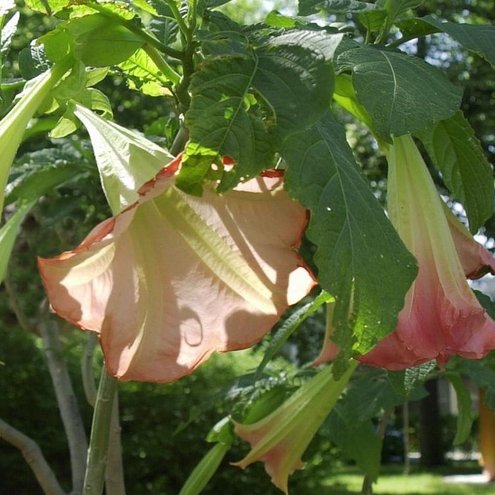
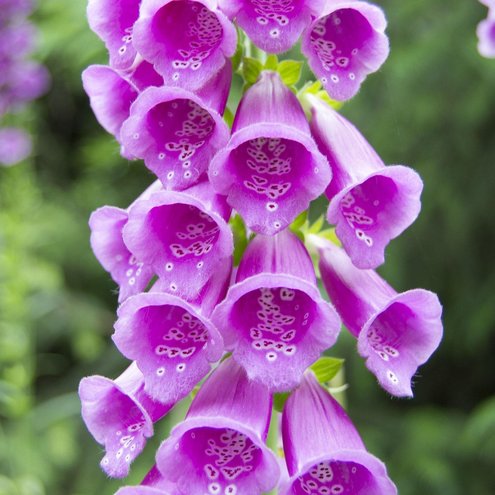
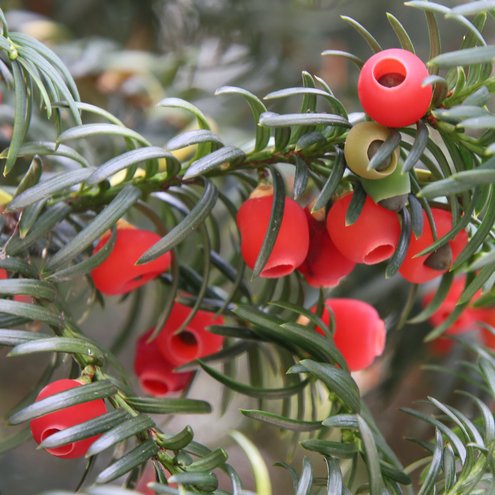
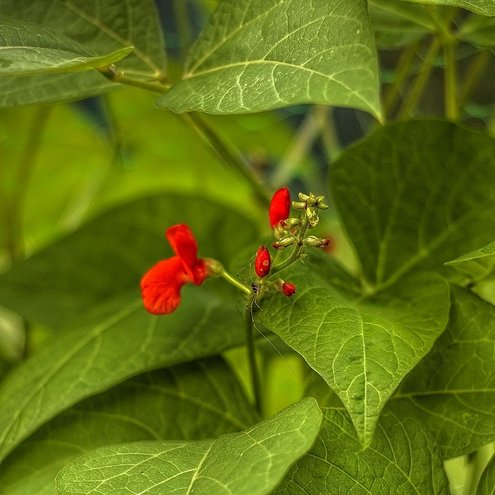
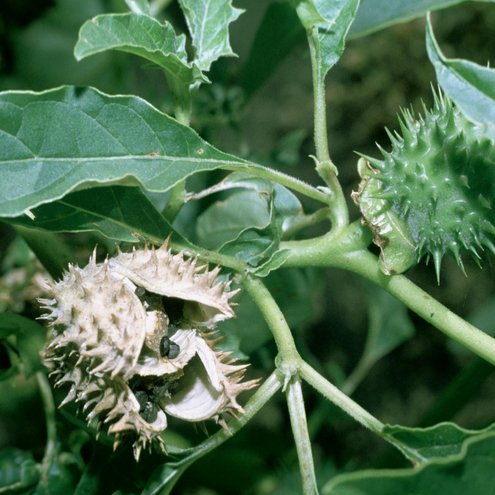
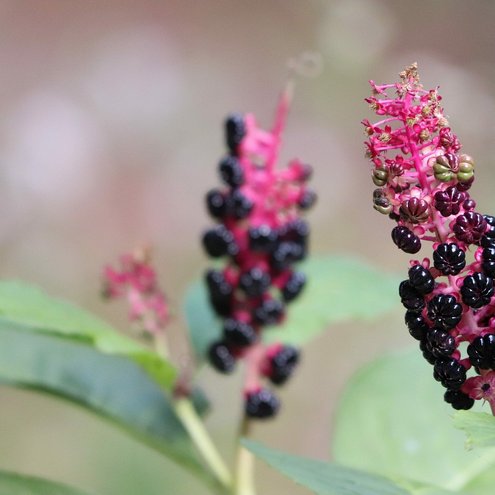
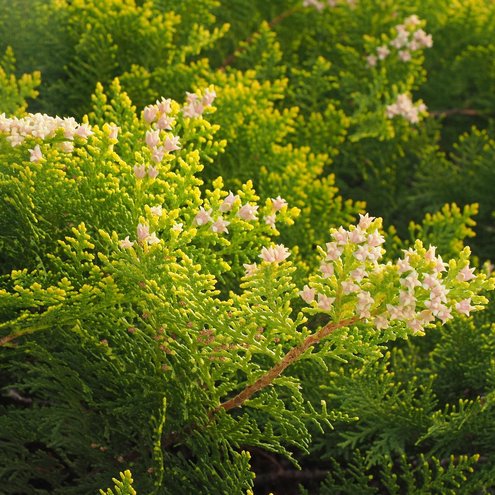
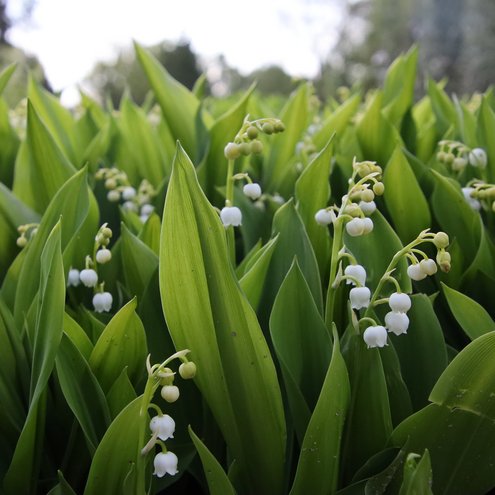
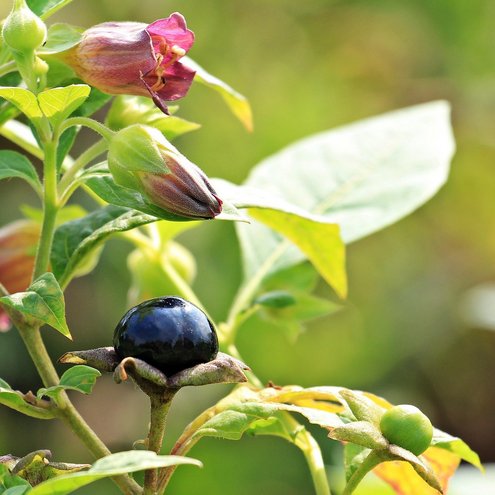
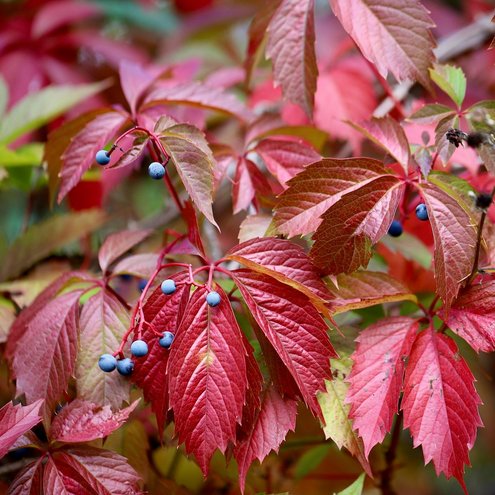
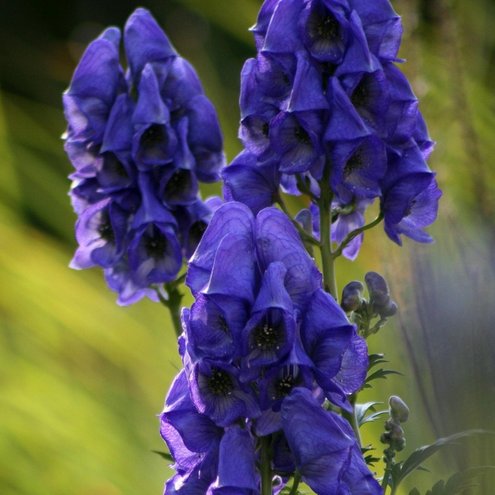
Poisonous plants contain certain chemical substances which can be harmful to humans or animals. Symptoms could be nausea, stomach ache or even more serious health complaints. Many poisonous plants, like many other plants, bear beautiful flowers, tempting berries or imposing leaf shapes. They are widespread so that we and our children encounter them in schools, kindergartens, parks, playgrounds, gardens, on balconies and in many other places. Poisonous plants represent a risk, in particular, to young children. Children are curious, explore their surroundings and may, for example, be tempted to eat berries without realising that they could be poisonous. It is therefore important to be aware of poisonous plants in order to avoid risks.
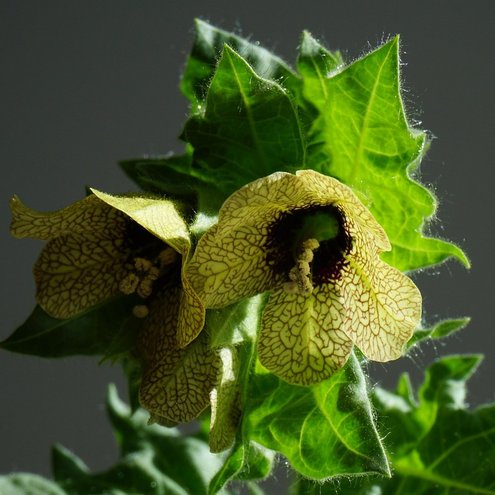
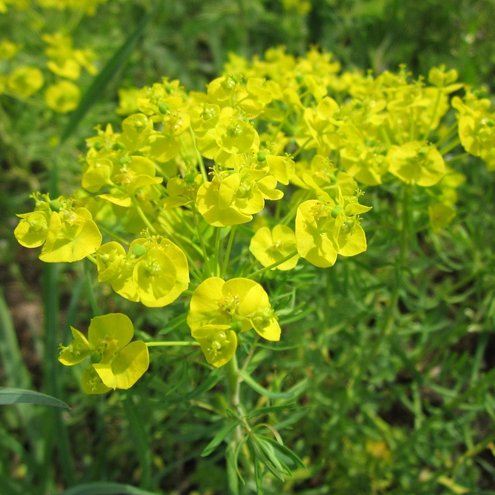
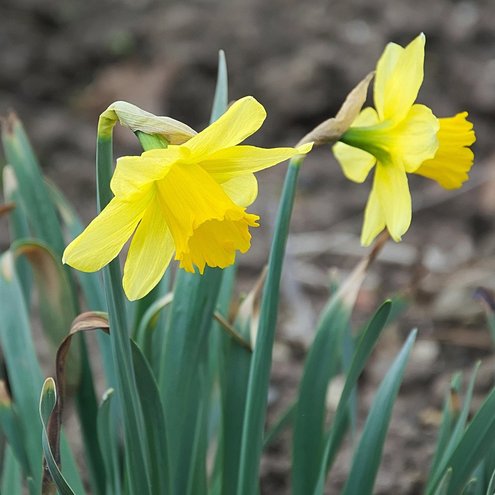
The BfRshort forGerman Federal Institute for Risk Assessment has set up its own garden at its location Diedersdorfer Weg in which various poisonous plants have been planted for educational purposes. Small information boards describe the plants including the dangers they pose. BfR’s experts (Unit 32) offer guided tours to a limited extent in the garden sharing their knowledge with the visitors. This public awareness campaign is designed to help people safely identify poisonous plant species and to avoid planting them in areas where children are particularly at risk. The garden offers a practical approach to preventing plant poisoning to kindergarten groups, school classes, professionals and anyone else who is interested.
For group tours or guided walks, please request an appointment via 32@bfr.bund.de. We will do our best to accommodate your preferred dates.
List of Poison Centres in Germany
1) External Link:BAnz AT 02.07.2021 B4
2) External Link:Akzidentelle Vergiftungen mit Gartenpflanzen und Pflanzen in der freien Natur (Accidental poisoning from garden plants and plants in the wild)
3) External Link:Risiko Pflanze - Ein neuer Ansatz zur Einschätzung des Vergiftungsrisikos für Kleinkinder (Plant risk – A new approach to assessing the risk of poisoning in young children)