


 50 / 112

BfR
|
Annual Report 2015
48
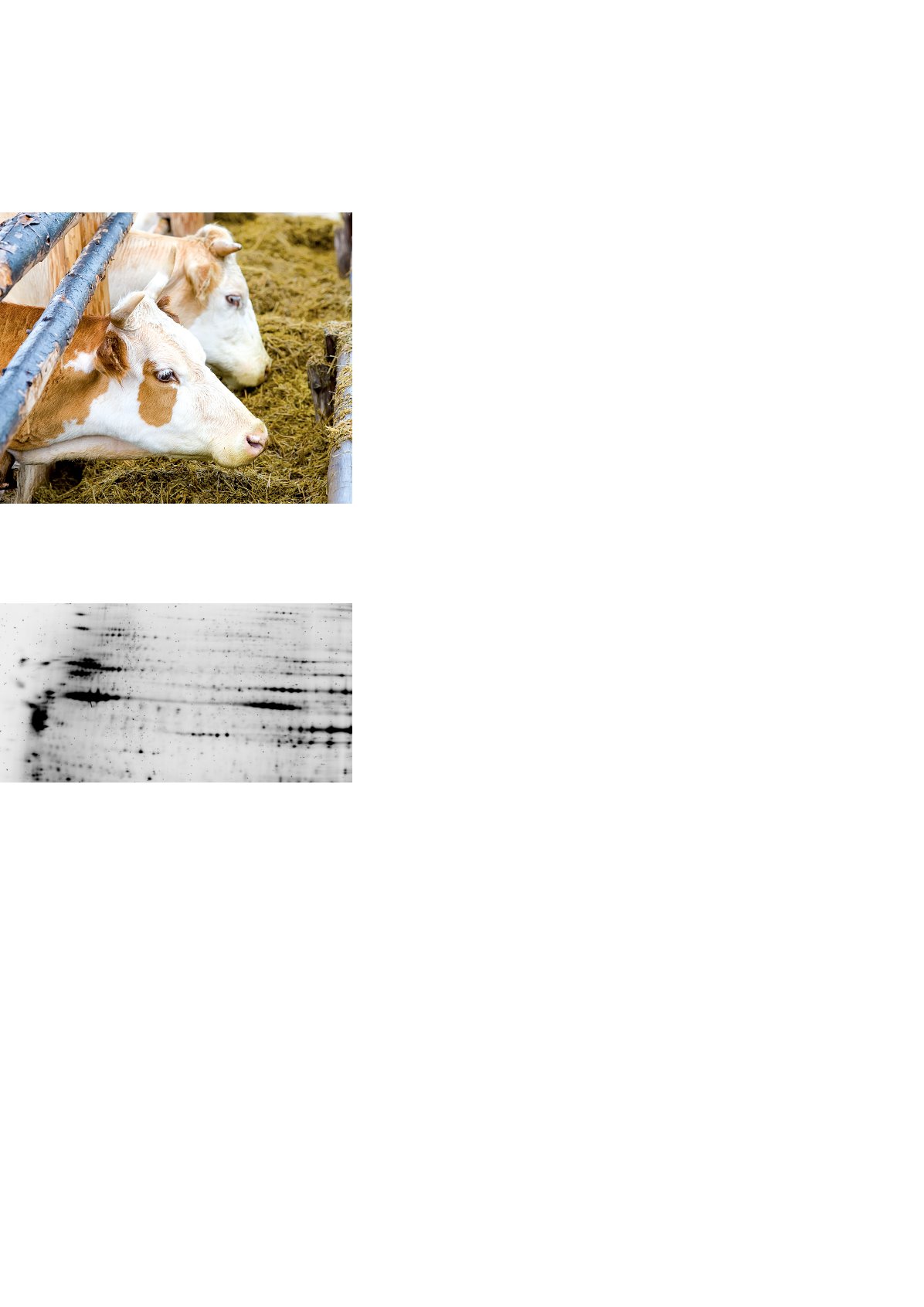
Throughout the EU it is fundamentally
prohibited by law to feed processed
animal proteins to domestic animals,
but there are exceptions to this.
Animal protein in foods and feeds
Around three million tonnes of animal byproducts from the slaughter
and production processes accrue every year in Germany. The German
meat industry generates annual sales of 30 billion euros. Animal waste
must be disposed of properly. Throughout the EU it is fundamentally
forbidden to feed processed animal proteins (PAP) to all domestic ani-
mals, from cattle to fish. In addition to this, the “anti-cannibalism” rule
stipulates that no animal species may be fed to another animal of the
same species. These rules have made a considerable contribution to-
wards gaining effective control of the lethal cattle disease BSE (bovine
spongiform encephalopathy) and minimising the number of cases.
There are exceptions to the strict feeding ban, however. Proteins from
milk and eggs that cannot be contaminated with prions, the pathogens
of BSE, as well as fish, blood and animal meals from non-ruminants
are authorised as animal feed under certain circumstances. The list of
banned products and exceptions is extremely complex and depends
on the animal species or group and the intended use.
The processing of animal proteins for feeding purposes is also strictly
regulated. The heat and pressure conditions in the prescribed process-
es severely alter the protein structure. The standard processing of ani-
mal processing requires a core temperature of 133°C and a pressure
of 3 bar for at least 20 minutes. The resultant changes in the proteins
pose great analytical challenges: is it still determinable with such highly
processed products from which animal species they originated? And
is it possible to distinguish banned PAP from approved milk powder?
Two analytical methods are currently prescribed by law in the European
Union. By using a simple light-microscopic method, it is determined
on the basis of heat-resistant particles such as hair, bone splinters or
scales, whether a feed contains any PAP at all. However, this method
cannot make a precise distinction between closely related animal spe-
cies, so that a DNA analytical method is used to detect banned rumi-
nant constitutents. This involves the detection of a ruminant-specific
gene sequence in the polymerase chain reaction (PCR). Still it is impos-
sible to distinguish between banned and authorised ruminant protein,
e. g. derived from milk or animal meal by means of PCR analysis, be-
cause ruminant DNA will be detected in both.
In the feed area, protein-based methods with which both, the animal
species as well as the tissue type can be identified, are being consid-
ered as analytical alternatives.
In the food area, the “horse meat scandal” made clear that fast in-place
methods to uncover adulterations are lacking. Antibody-based strip
tests are ideal for this purpose as they deliver a valid test result within
minutes and are very easy to handle.
Protein spots in poultry meal extracts in
a 2-D electrophoresis gel. Individual spots
are “picked” out of the gel, examined
per mass spectrometer and the proteins
identified on the basis of databases. Only
poultry-specific proteins are of benefit
to a specific detection system.